Elena Platonova
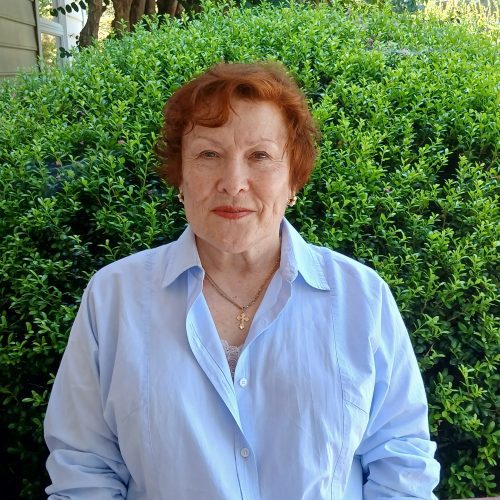
About Elena
- Pronouns: she/her
- Graduate Program(s) of Instruction: Master of Health Administration Program
Q&A with Elena
What is your background/industry experience and research focus?
I received the Master of Health Administration degree from the University of South Carolina and completed my Ph.D. degree in health care management at the University of Alabama at Birmingham in 2005. For the past ten years, my research focused on communication between primary care providers (clinical and non-clinical personnel) and low-income, Medicaid, and uninsured patients and how provider communication is associated with patient outcomes (i.e., using emergency care).
How does your graduate program(s) of instruction establish important connections to industry professionals?
First, our MHA students have a mandatory internship as part of the curriculum. Those are already established connections in health care organizations and quite a few students get their first professional jobs after internship completion. We have an active Charlotte Healthcare Executive Student Organization (CHESO); it offers many professional development training sessions conducted/facilitated by top-level health care managers in the region. Faculty invites guest speakers to classes, training, and workshops.
What kinds of experiences can soon-to-be graduate students expect to participate in?
We would like our students to be intellectually curious and learn at every possible opportunity. Attending classes is a must but not enough to succeed in the Program… Students are also expected to work as part of a group/team, listen to peers, and communicate effectively to have jobs/assignments done and develop professionally.
Why should a student choose UNC Charlotte for their graduate degree?
First, our MHA Program is nationally accredited by the Commission on Accreditation of Healthcare Management Education (CAHME); it is one of only three CAHME accredited programs in North Carolina. Charlotte is a major health care “hub” in the region with many professional opportunities for our students. We usually enroll a relatively small number of students so that faculty could work with individual students and develop individualized approaches to help students succeed in the Program and profession.